Home Lighting with Identity: The Cyberpink Project
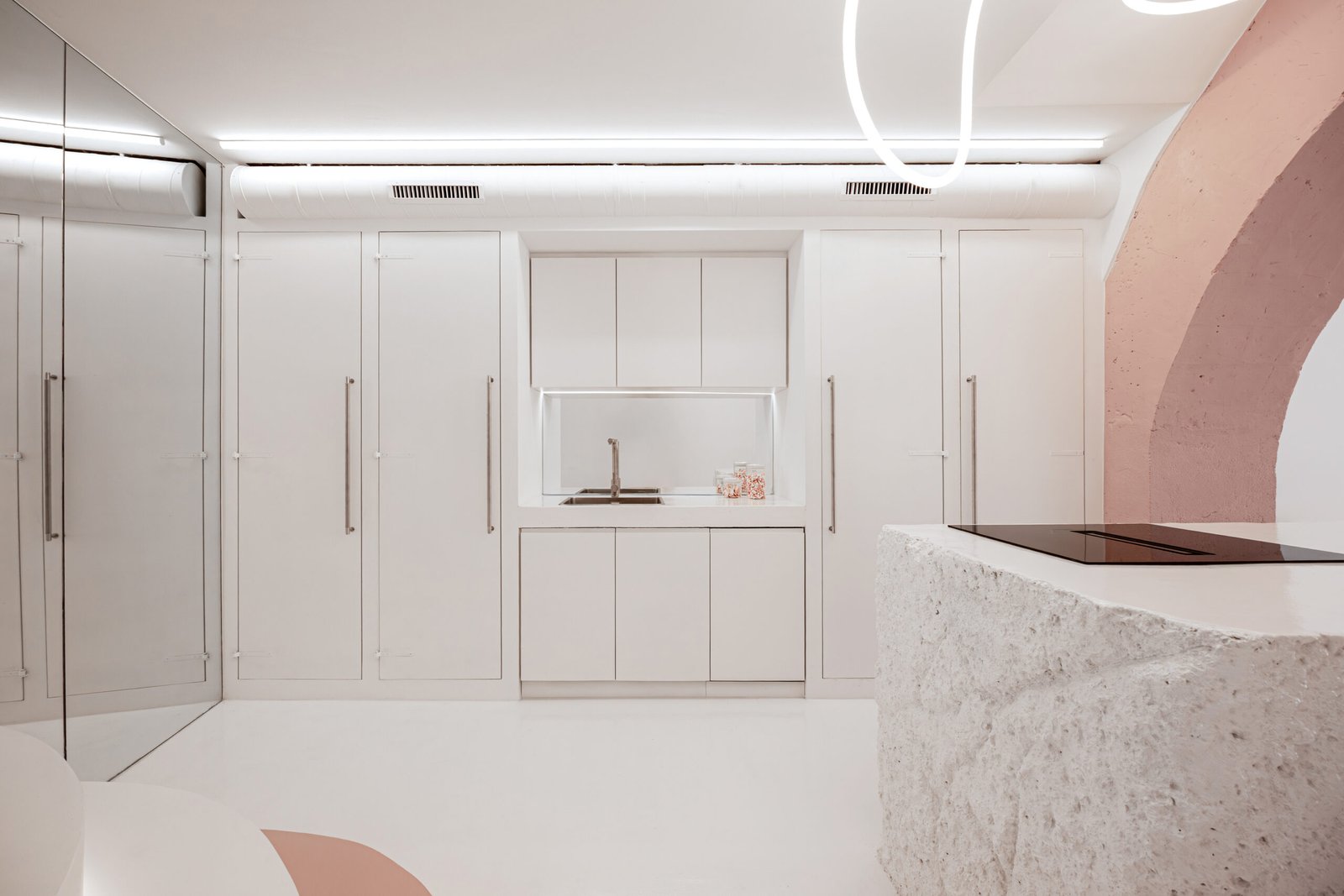
Lighting in a home is usually solved at the end, when the architecture is already closed and all that’s left is to “put the lights in”. In Cyberpink it was the other way around, and you can see it in every room.
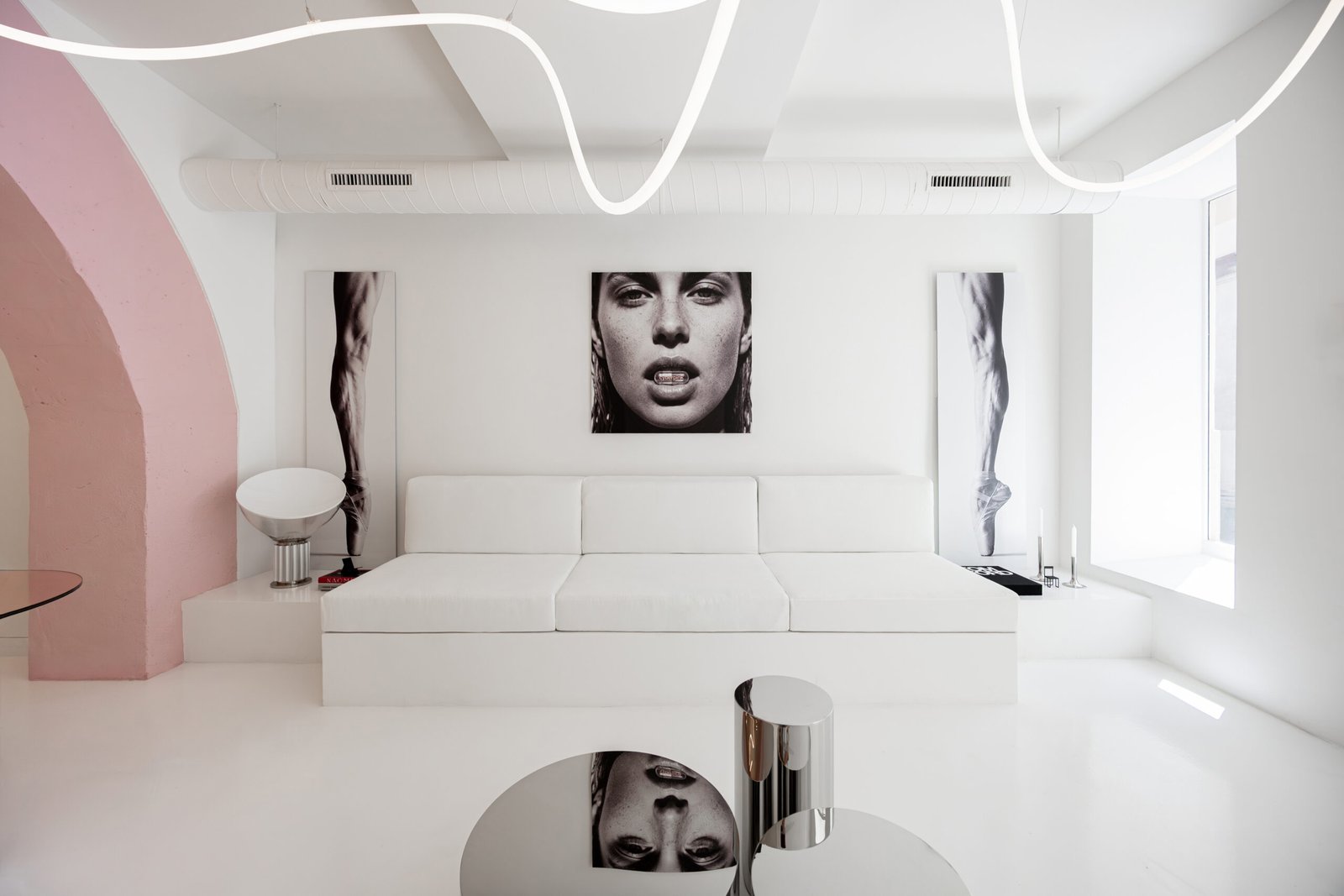
Cyberpink is a Minimal Studio project in Mallorca, with direction and design by J. David M. Jofre and photography by Caliu Estudi. Its own team describes it as a home that isn’t a home, but an atmosphere. We at Worldlight were in charge of the lighting design, and that sentence was our brief.
A home conceived as an atmosphere, not a container
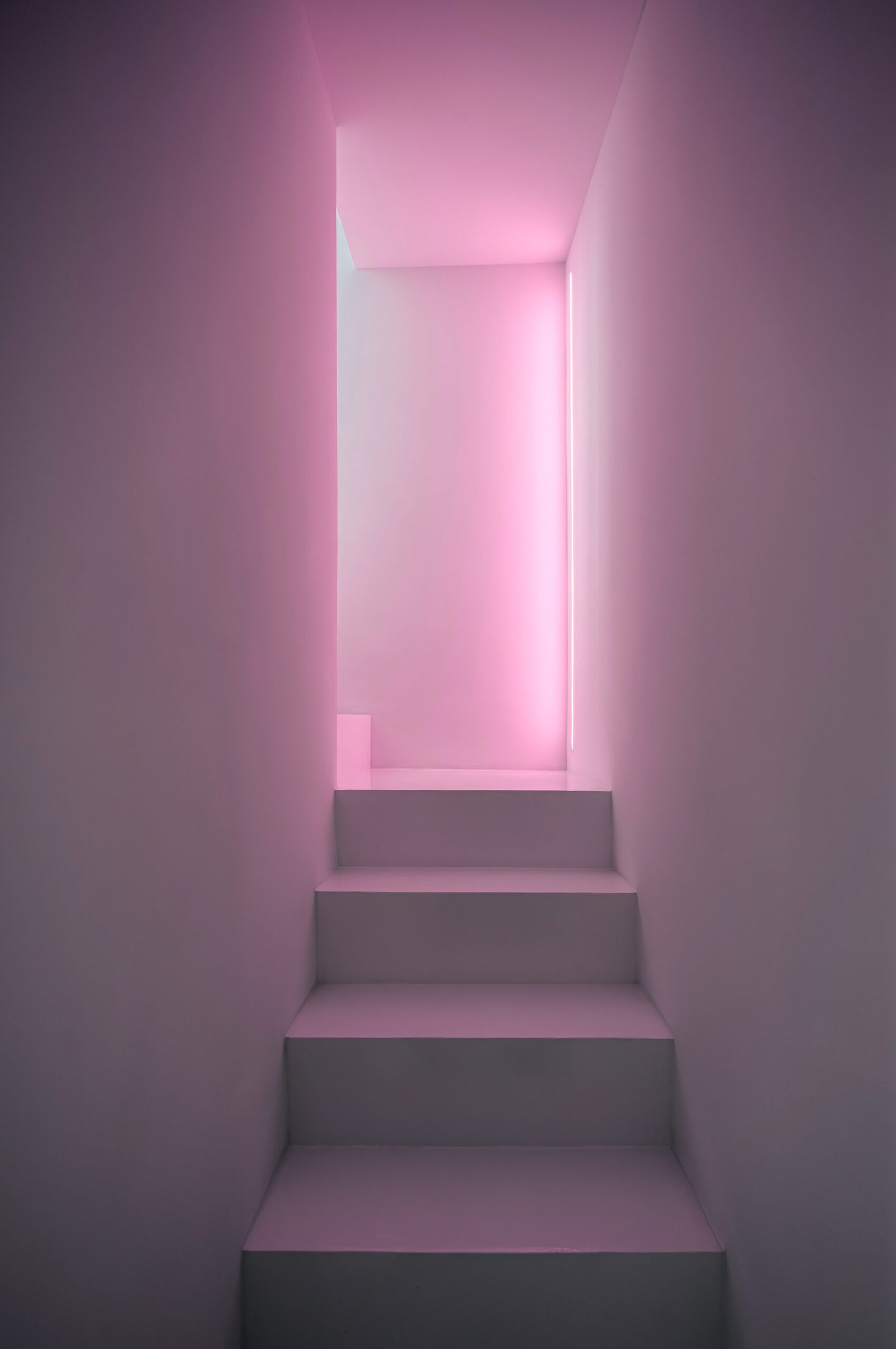
In Cyberpink by Minimal Studio, the starting point is an image: a ballerina balanced on the tips of her toes. Extreme discipline that looks like lightness. Set against it, a counterpoint of rock music, worn records and visual culture. And between those two worlds, an artificial pink, closer to a screen than to nature.
For anyone who designs light, a brief like this is a very specific challenge. You are not asked for “good general lighting”. You are asked for light that becomes part of the story without stealing the spotlight.
That was the first decision: in Cyberpink, the lighting does not compete with the furniture, the materials or the color. It works with them.
Lighting design: light as a continuous line
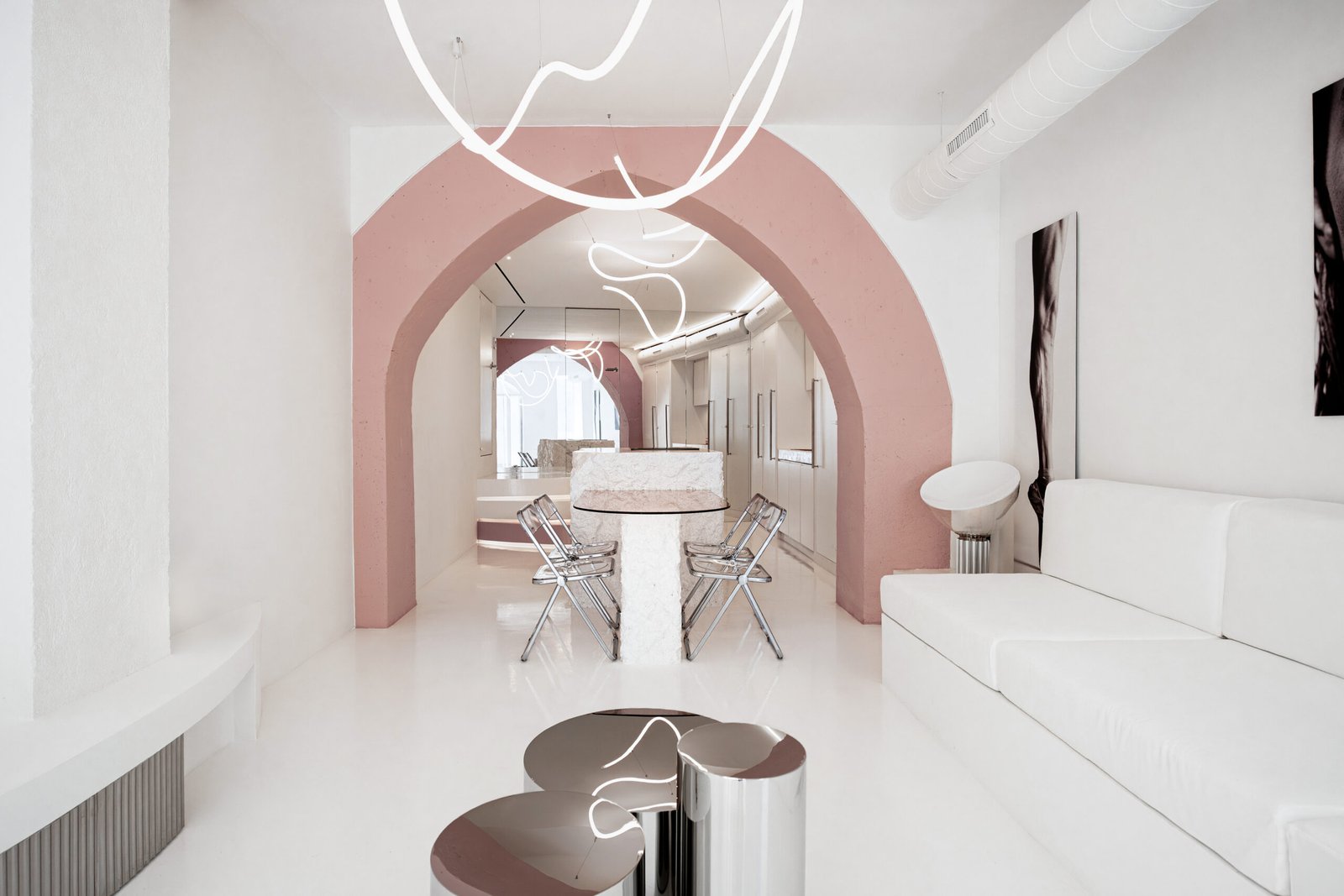
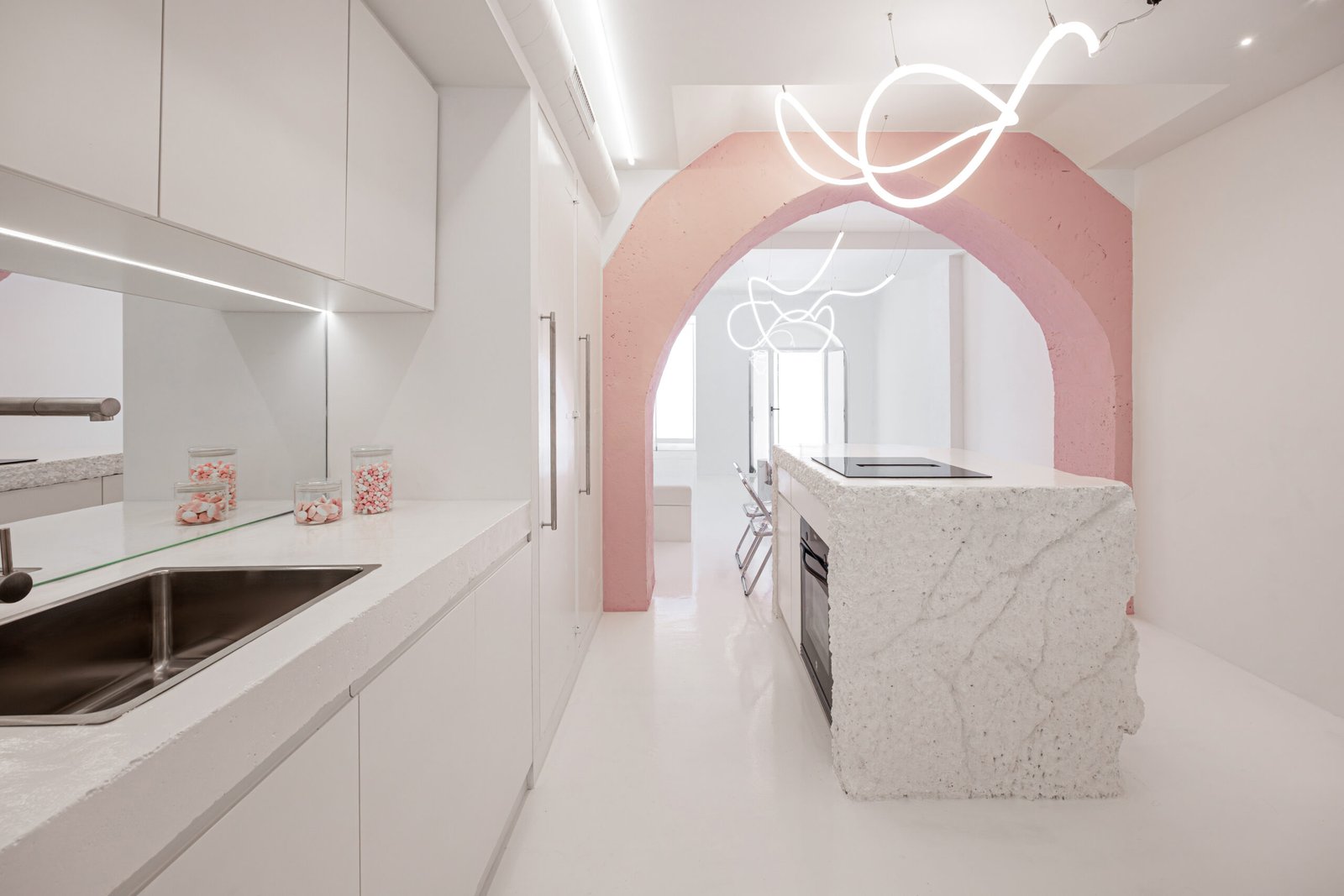
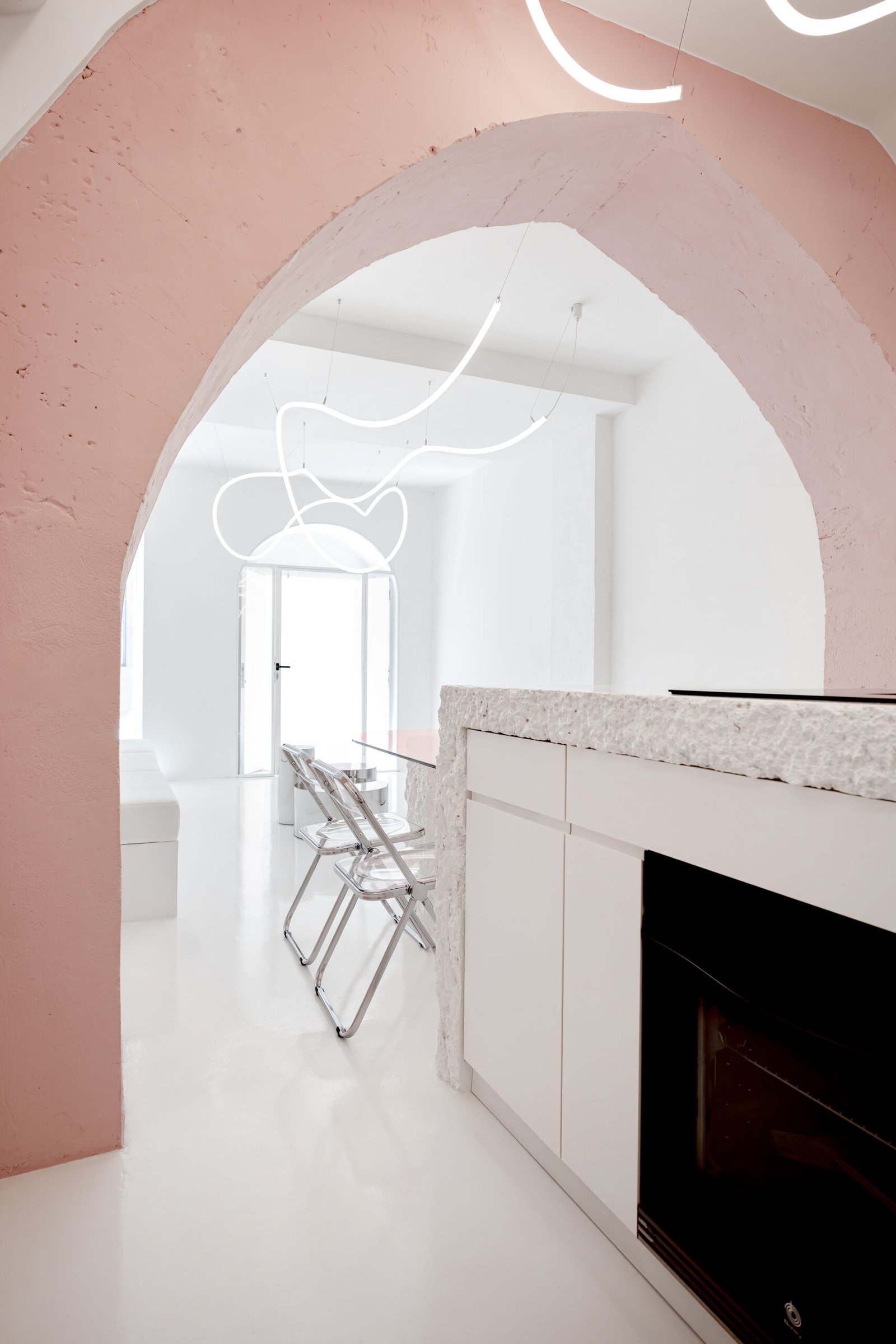
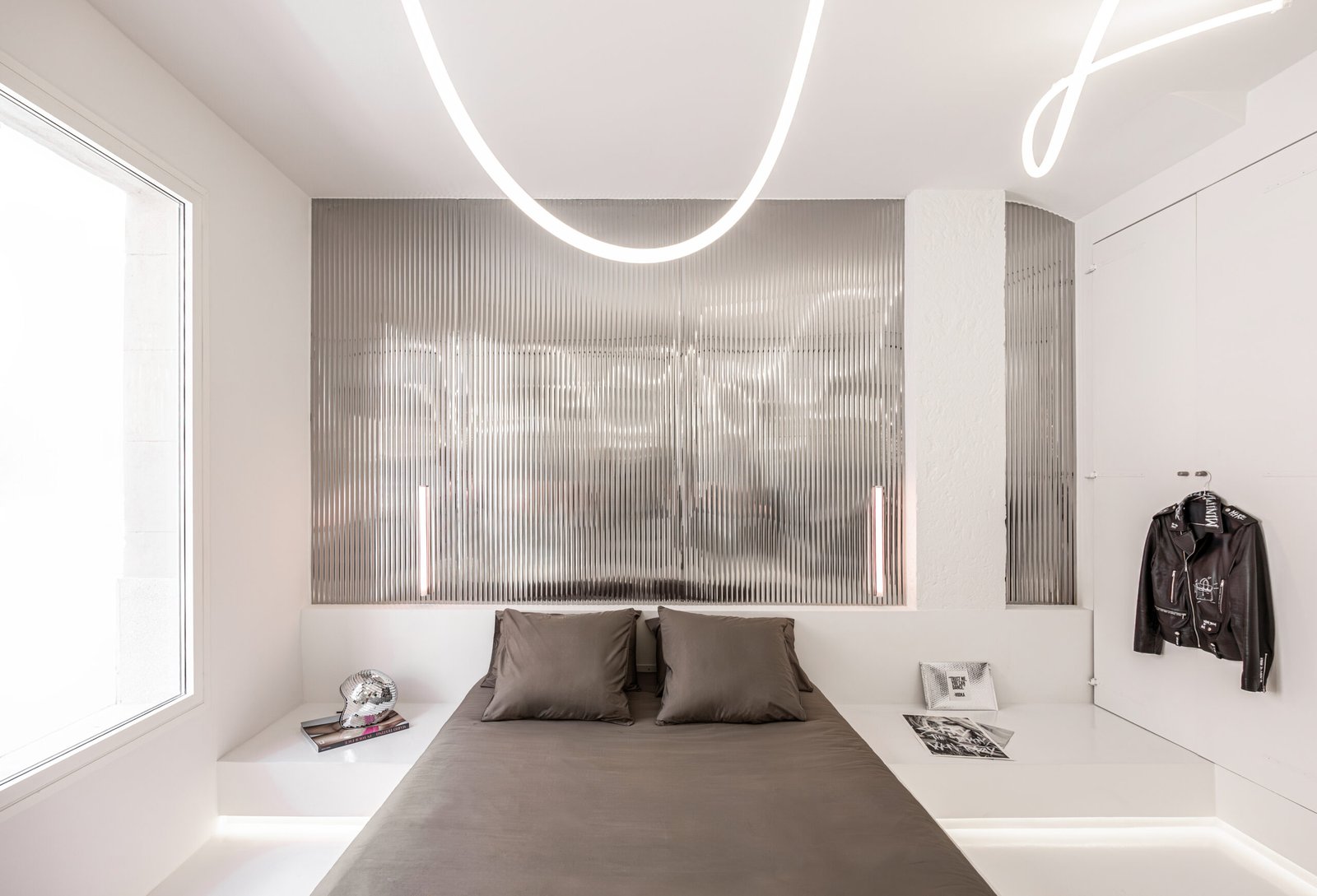
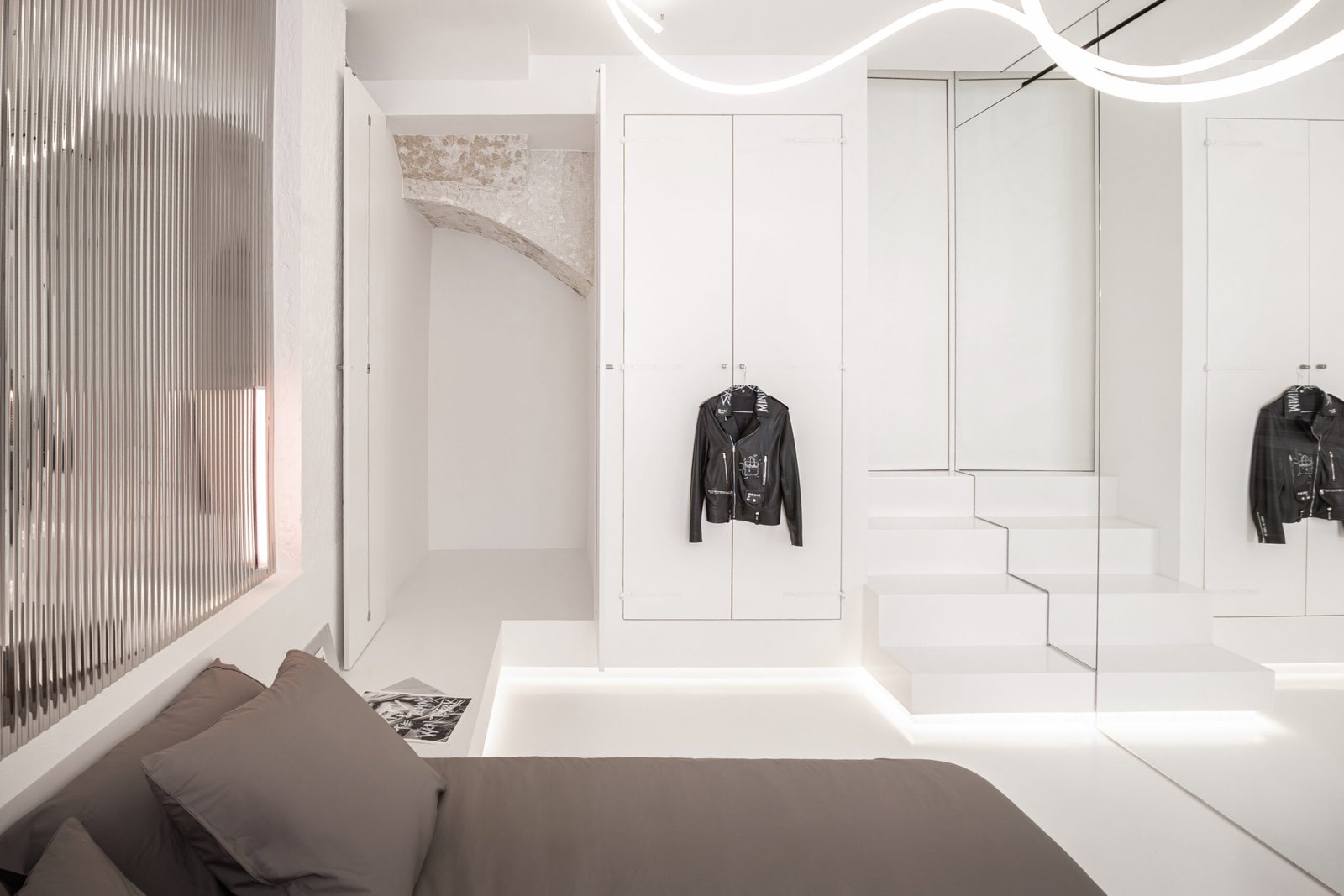
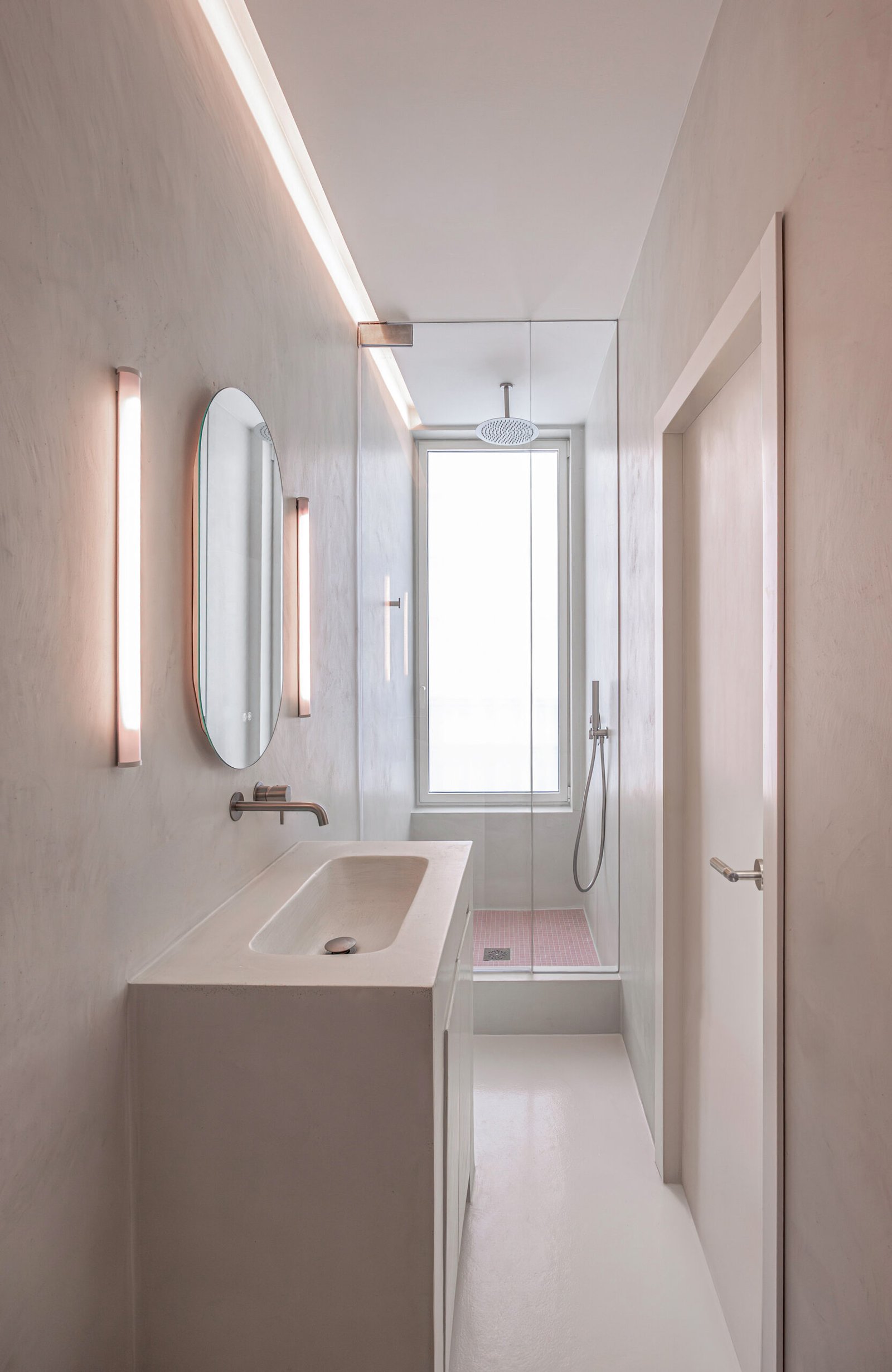
What defines Minimal Studio’s approach is that the architecture is reduced to the essentials, forms soften and boundaries dissolve. In that context, light stops being a technical element and works as a line suspended in space, as if someone had drawn on the air.
This has real technical consequences. A continuous line of light allows no jumps in intensity, no abrupt changes of tone between sections and no hot spots. Any irregularity shows immediately, because there is nothing else in the space to hide it.
That is why the lighting design was planned from the very beginning and not added later: routes, joints, power supply and control are solved in the project, not on site.
Color as a tool: light and pink
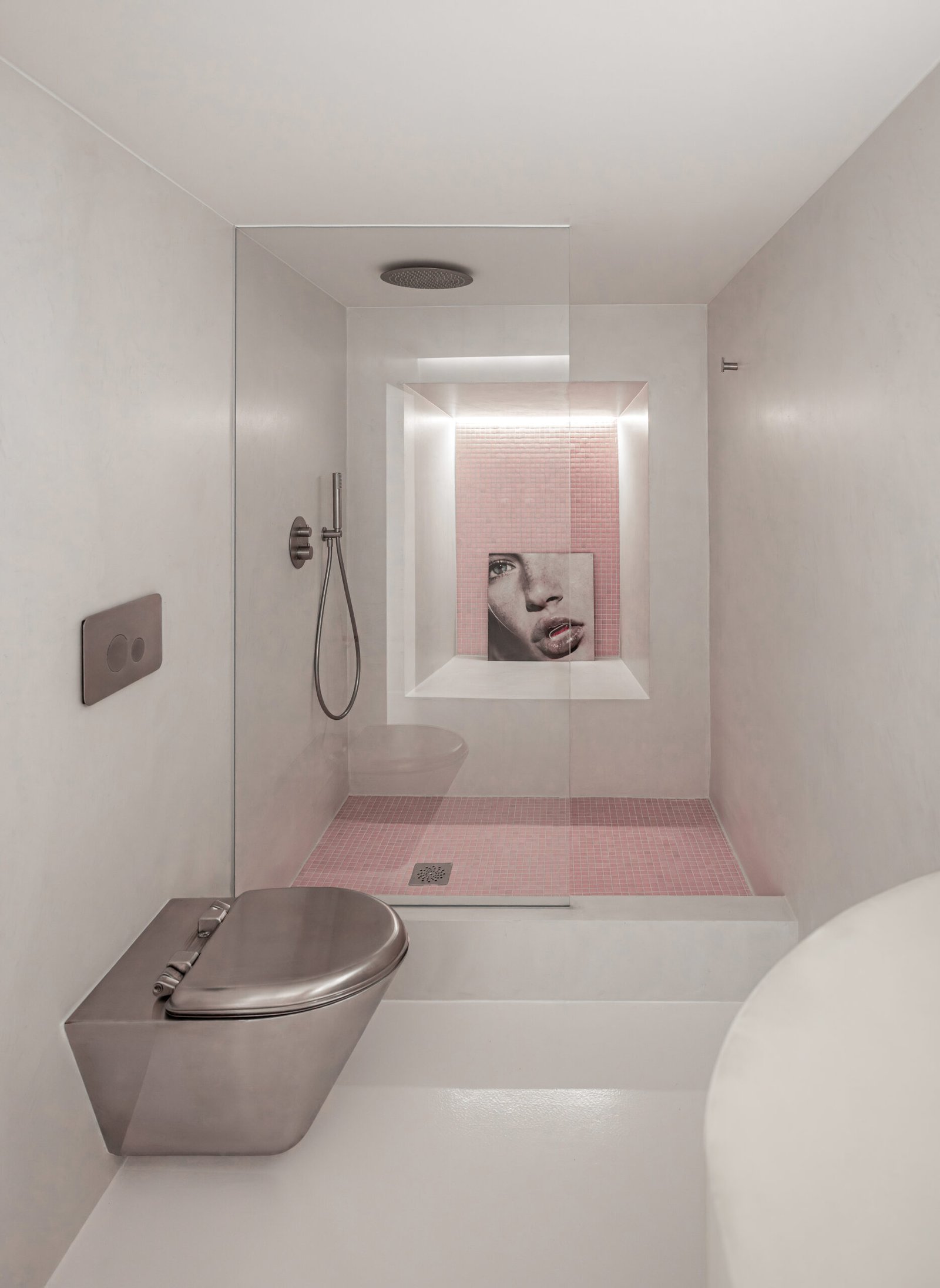
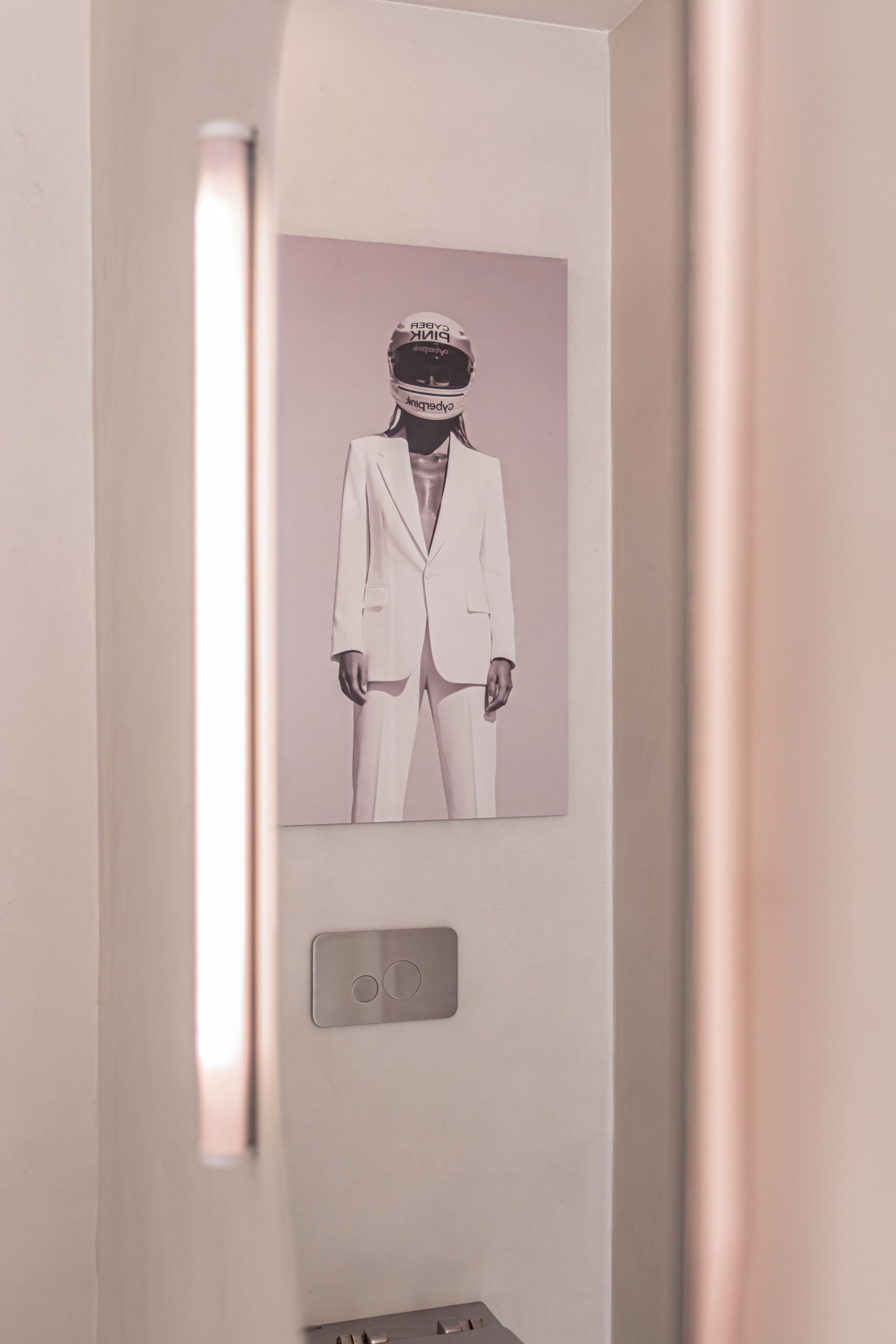
The pink in Cyberpink is neither romantic nor nostalgic. It is a technological tone, meant to alter how the space is perceived without becoming loud. And this is where lighting has a lot to say.
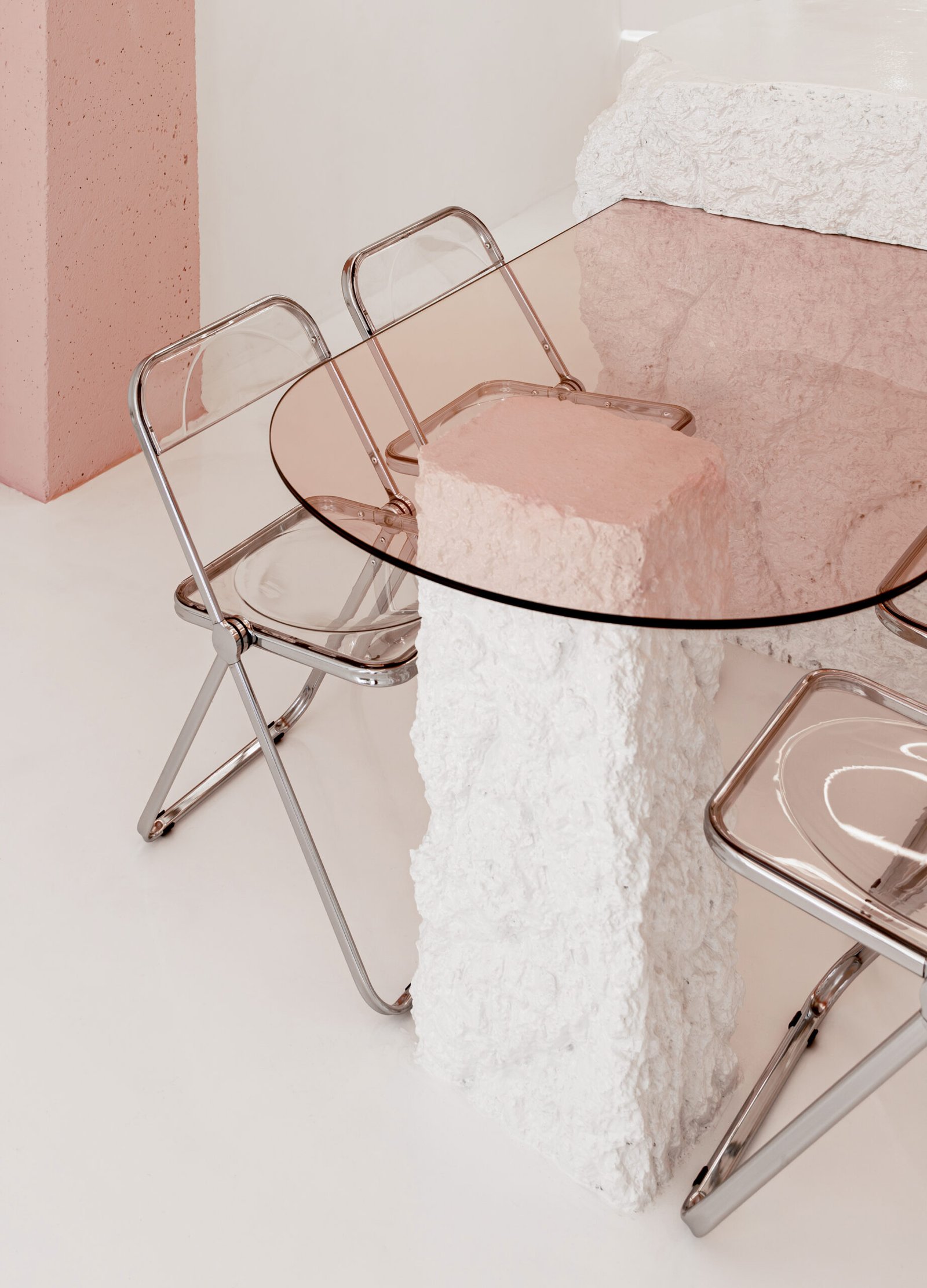
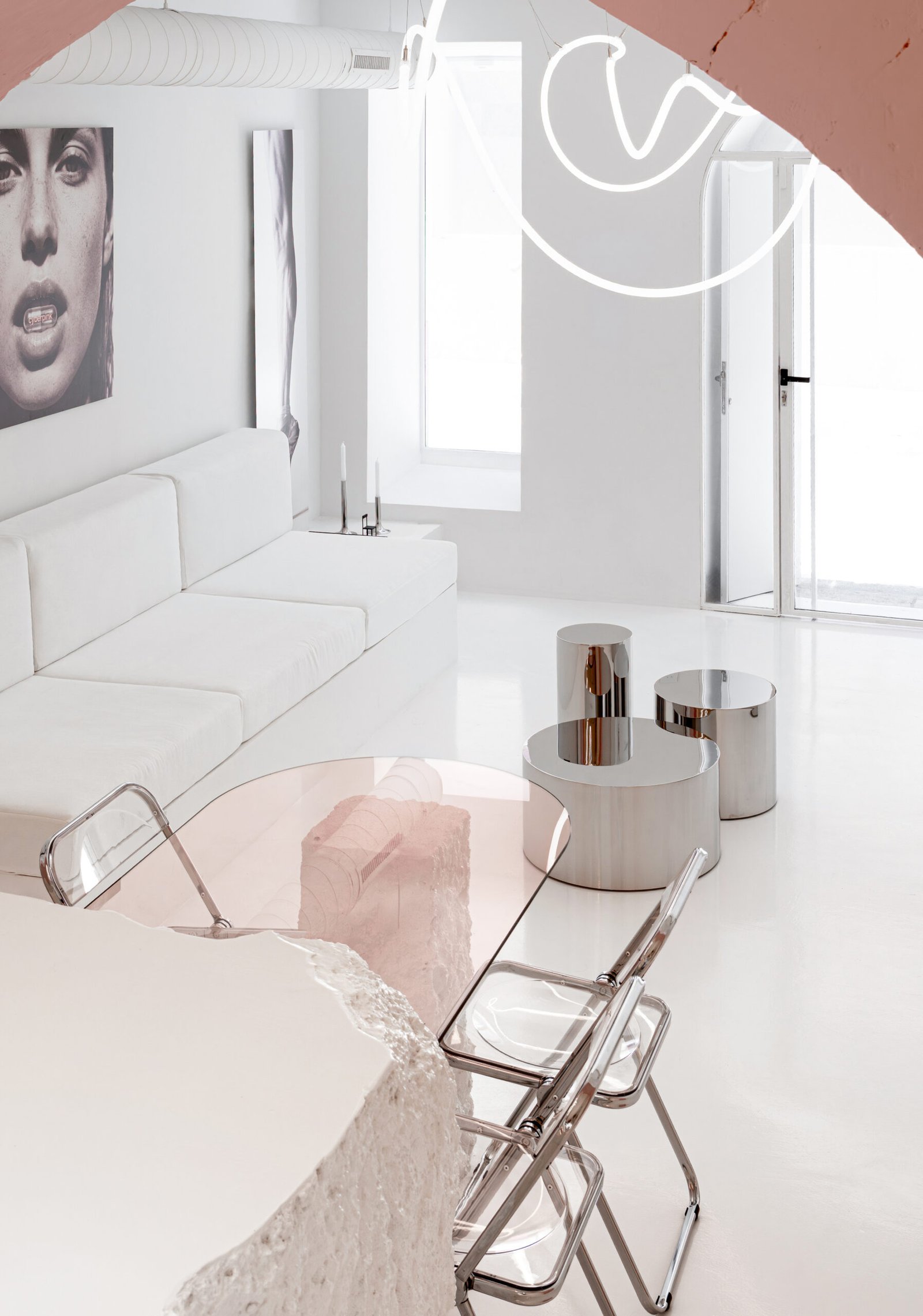
The same pink finish changes completely depending on the light that reaches it. With warm light it becomes soft and enveloping. With more neutral light it gains freshness and moves closer to that “screen-like” look the project is after. When you work with color, color temperature and color rendering index (CRI) stop being catalog data and become design decisions.
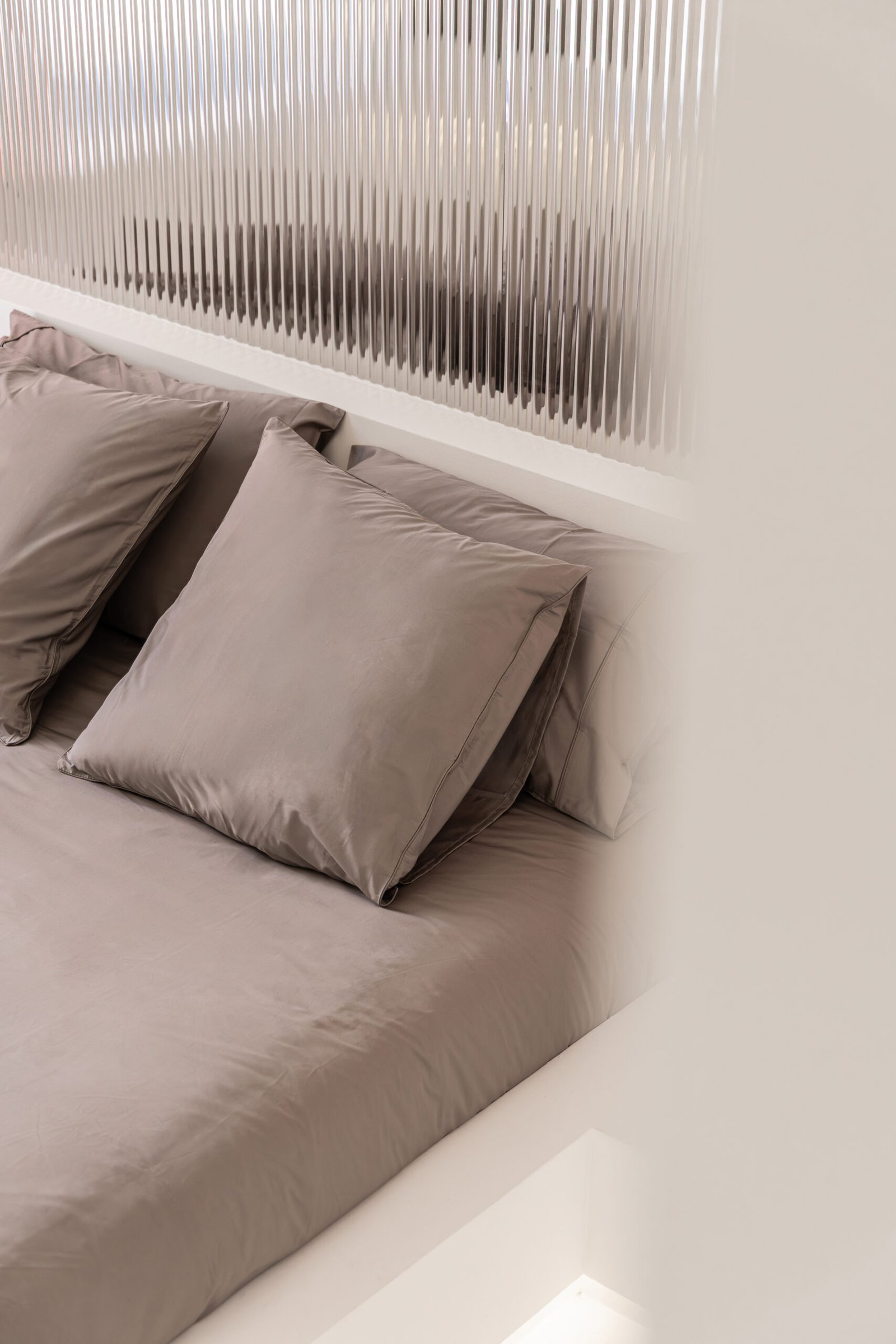
One detail you only learn from finished work: materials and finishes should be tested under the final light, not with a sample under the studio’s lighting.
Light should not be the protagonist
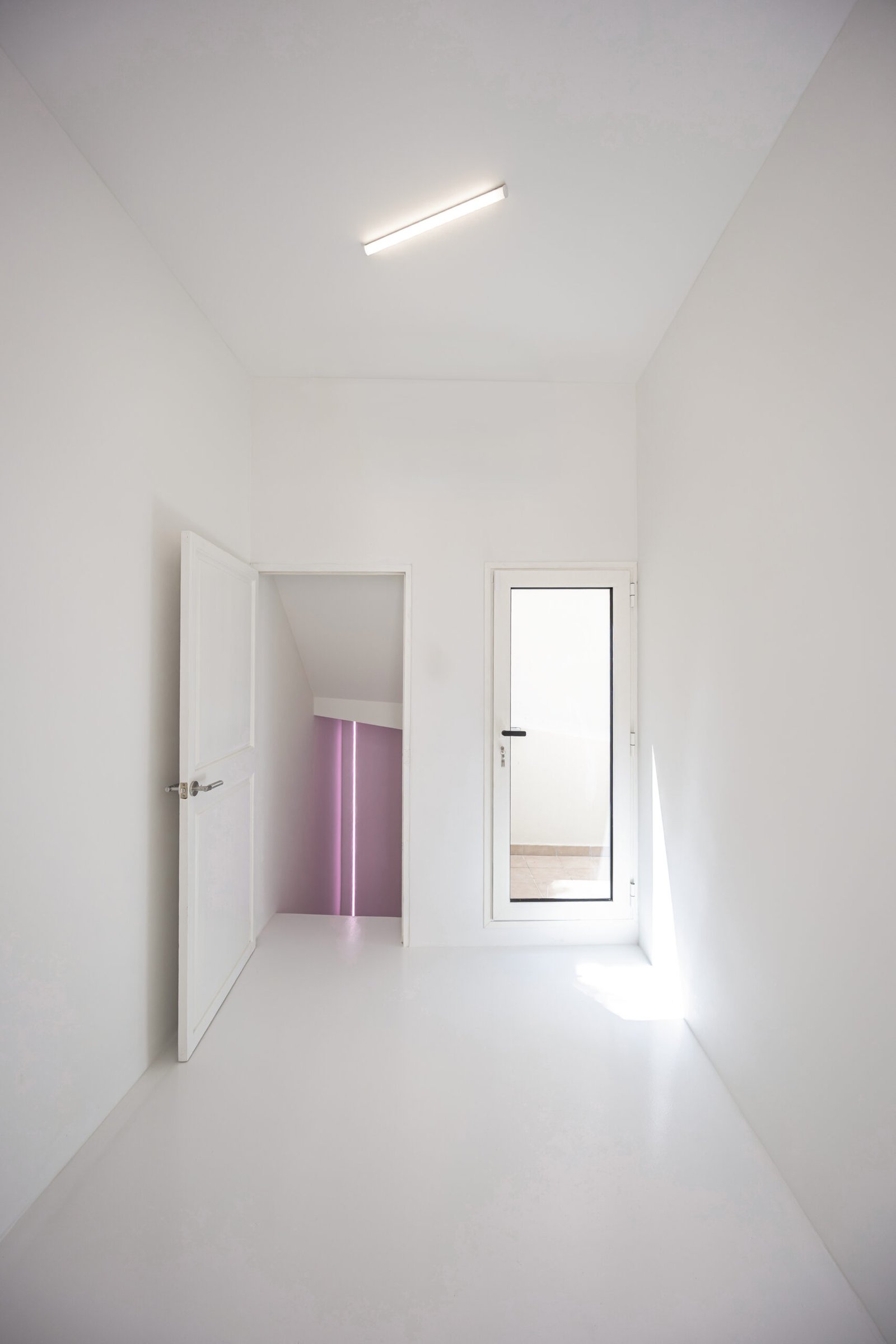
It sounds contradictory in a project where the light is so visible, but the rule in Cyberpink is that nothing tries to be the protagonist. Not the furniture, not the objects, not the architecture itself, not the lighting.
In practice, this means taking care of three things that almost never show up in a photo: glare, reflections on glossy surfaces, and the absence of visible light sources where they don’t belong. Good lighting is recognized more by what it doesn’t disturb than by how it shines.
It also means restraint. Fewer luminaires, better chosen, instead of many luminaires solving small problems.
How we approach lighting in Mallorca with architects and interior designers
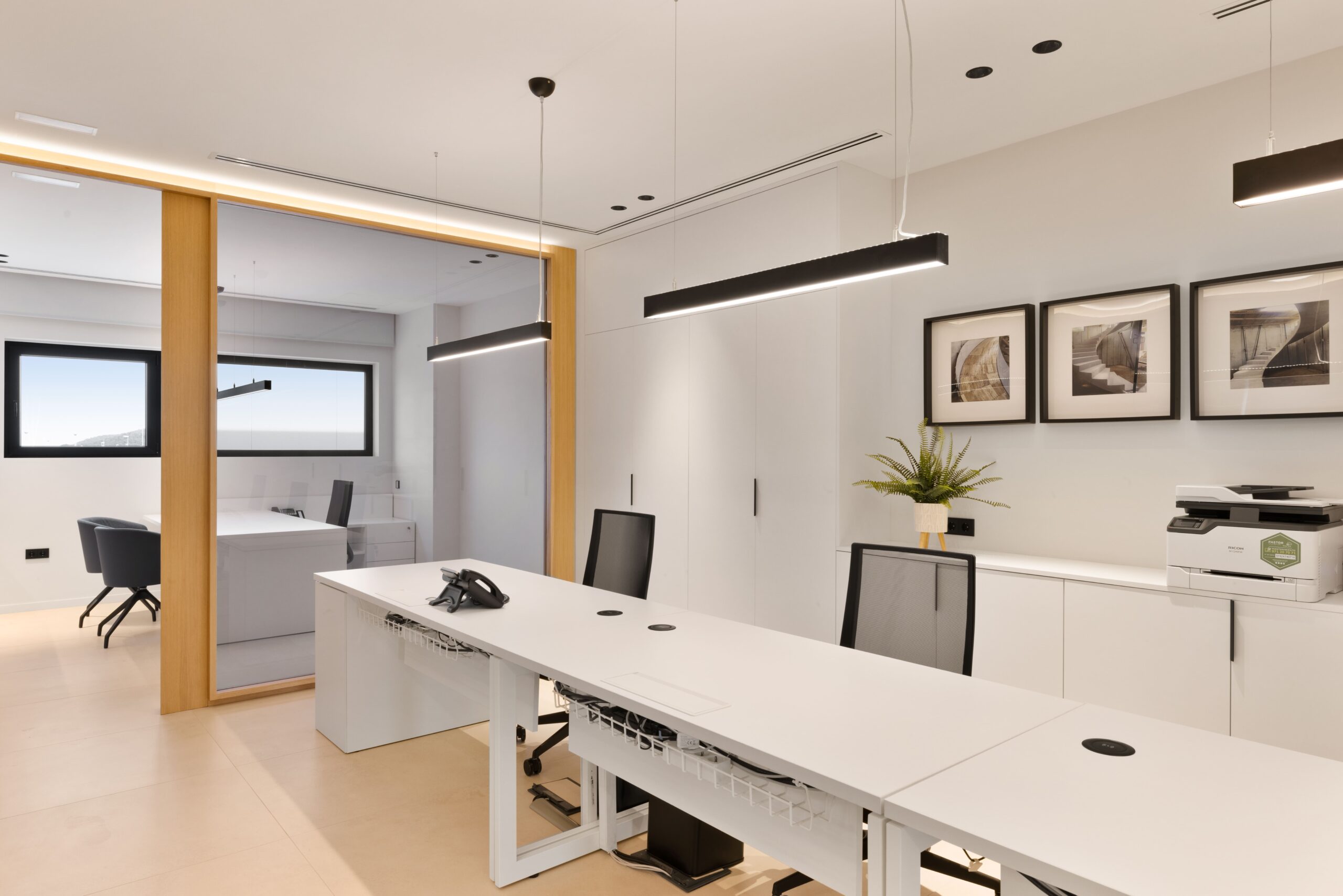
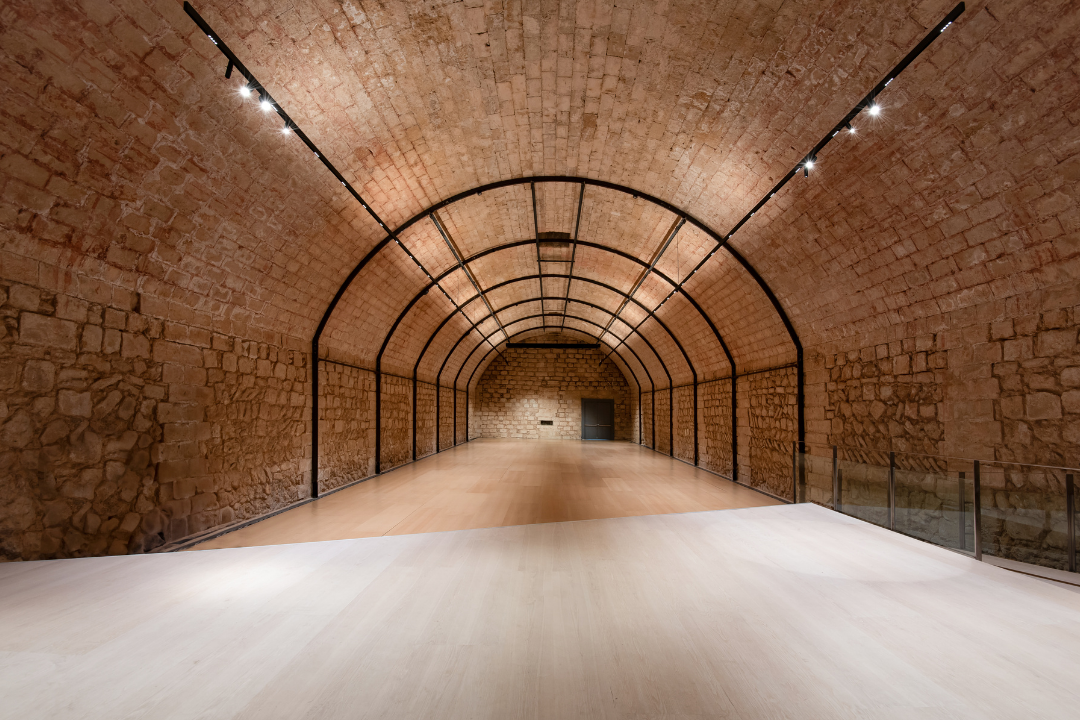
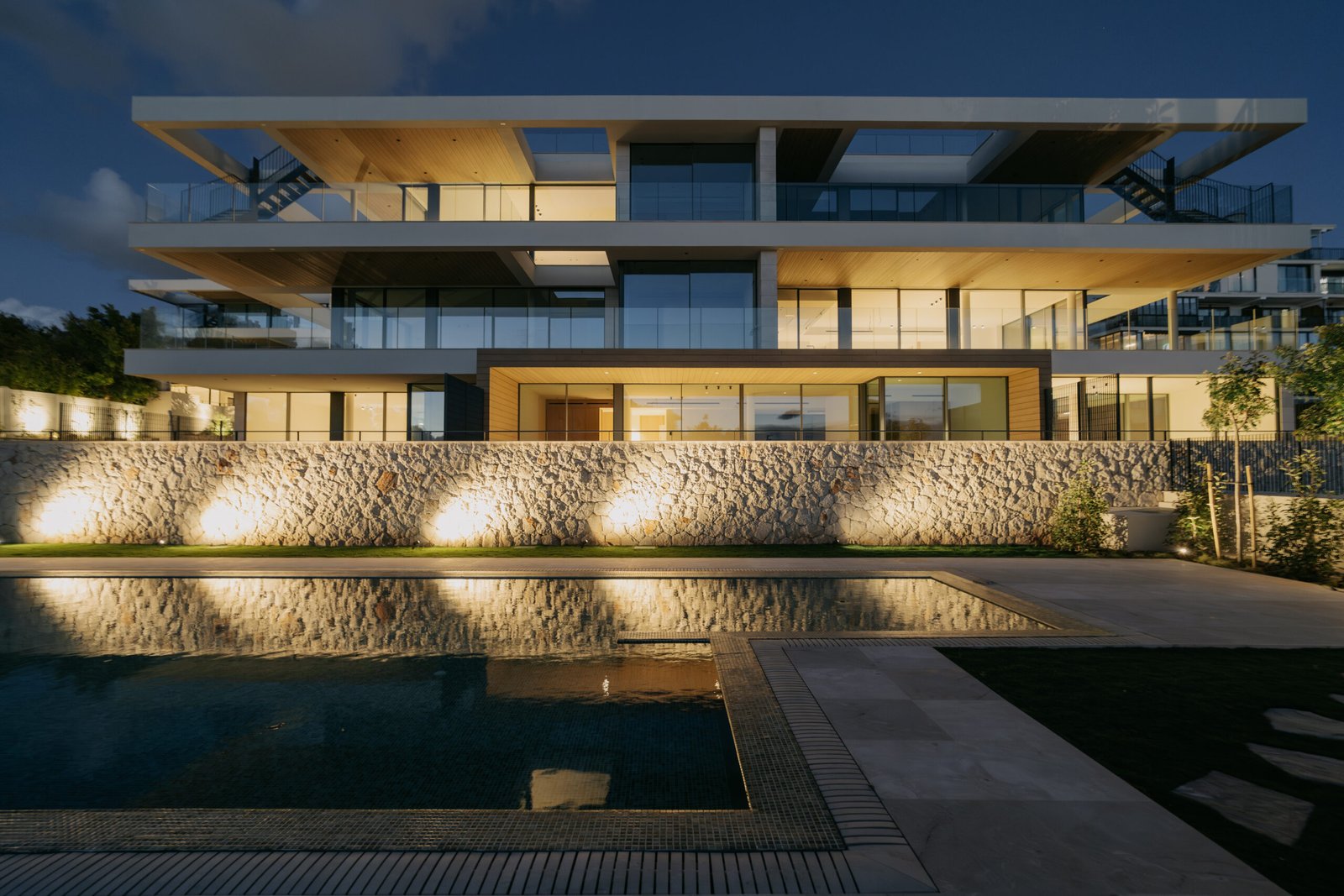
Cyberpink sums up the way we have worked for more than ten years on homes, offices and commercial spaces across the island. We join the project while decisions can still be made, we bring the architect, the interior designer and the owner to the same table, and we translate their idea into luminaires, circuits and scenes.
For an architect, that means fewer surprises on site and light that respects their design intent. For an interior designer, it means color and materials look the way they were imagined. For an owner, it means a home that feels good both day and night.
See the light before you decide
Light is hard to judge in a catalog or on a screen. That is why we have The Lighthouse, our showroom in Palma, where you can see and try luminaires in a real space.
If you are working on a home, office or commercial project and want lighting to be part of the idea from the start, get in touch. We will talk about your project with no commitment.