Gym Lighting by Worldlight
Light isn’t just functional. In a gym, it’s the difference between a space people want to leave after 20 minutes and one they want to come back to every day.
Why Does Your Gym’s Lighting Matter?
When someone walks into a gym for the first time, lighting is responsible for creating a sense of comfort and familiarity — a place where anyone feels at ease every time they visit.
Poor lighting causes eye strain, affects physical performance, distorts the colors of skin and equipment, and — something many gym managers underestimate — contributes to people leaving earlier than planned.
Gym lighting is a tool for performance, experience, and marketing, all at once.
Zones and Specific Needs
Each area of the space has a different function, and therefore needs a different solution.
-
Weights and Strength Training Zone
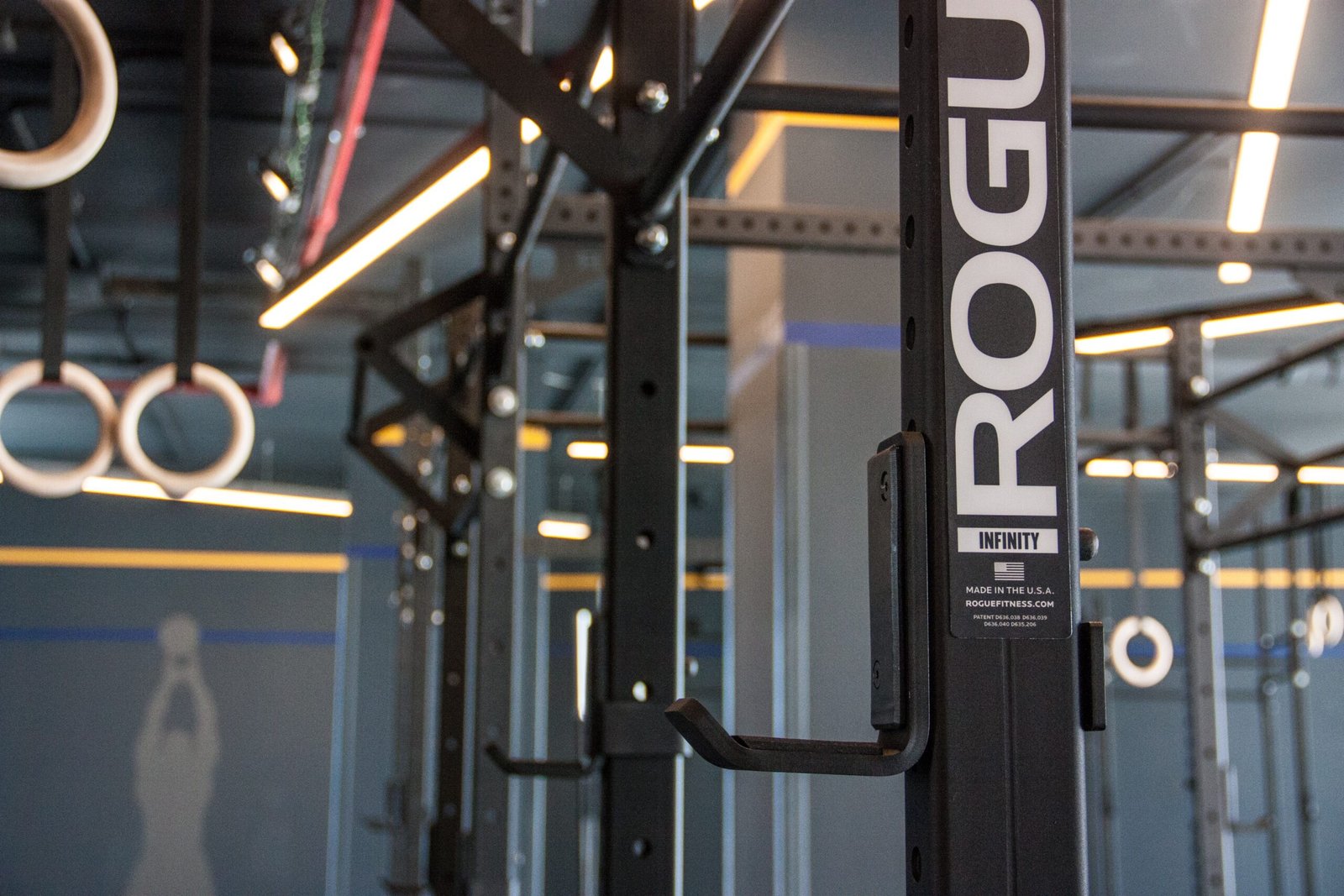
This is probably the zone where bad lighting is felt the most. Users need to look good, but they also need perfect visibility to perform exercises safely.
What works: high-power overhead lighting (between 500 and 750 lux), with adjustable luminaires that avoid harsh shadows on the body. The ideal color temperature sits between 4000K and 5000K (neutral to cool white light), which activates the nervous system, creates a sense of energy, and makes the space feel larger and cleaner.
What to avoid: asymmetric shadows that make it hard to see posture in mirrors. A very common mistake is placing front-facing spotlights that glare directly at users when they work in front of a mirror.
-
Cardio Zone
People typically spend 20 to 60 minutes here continuously. Eye fatigue in this zone is a real factor that affects how long someone keeps training.
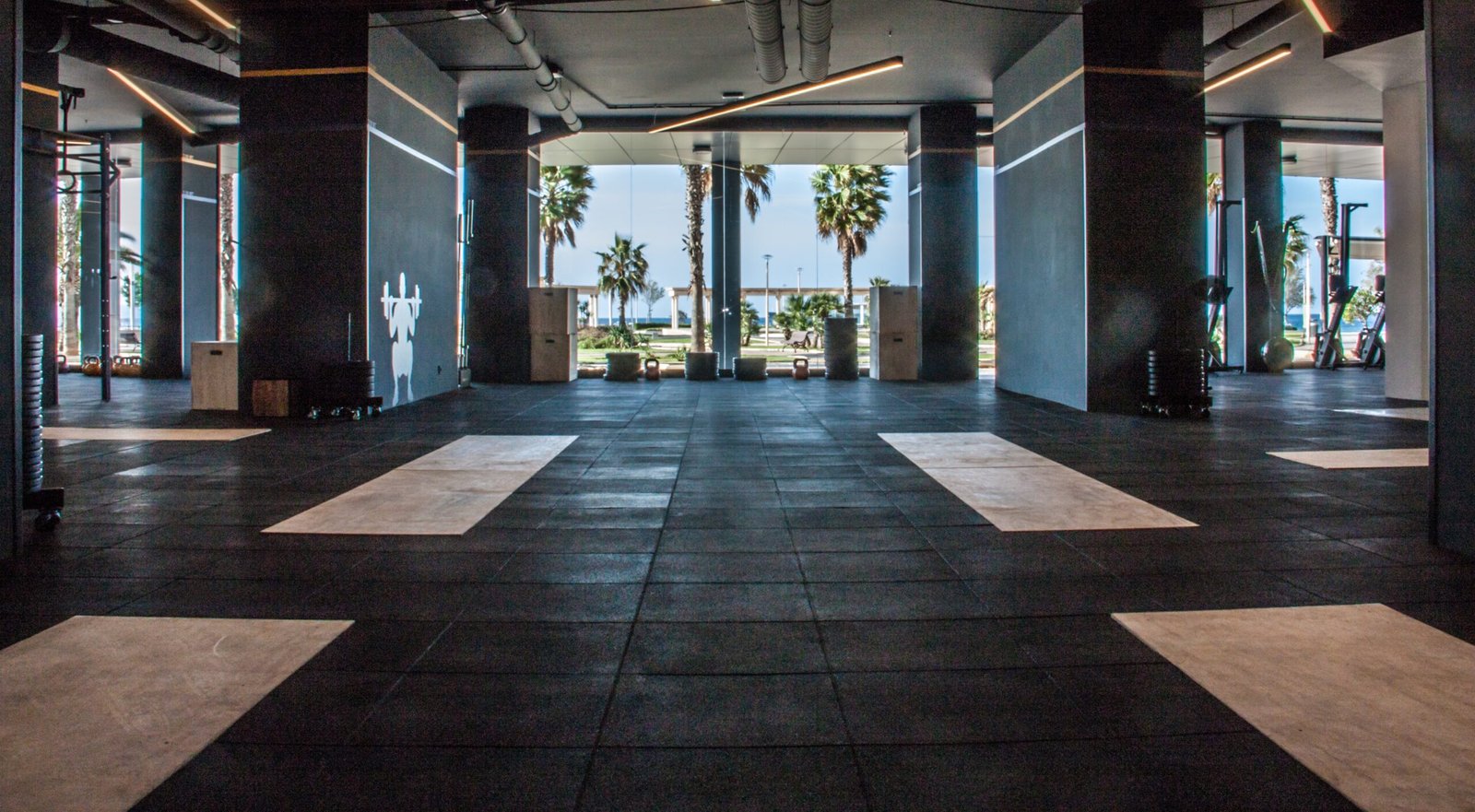
What works: uniform lighting with a flicker rate as close to zero as possible, and a color temperature similar to the weights zone. If the space has natural light, making the most of it here is ideal — outdoor views and daylight improve mood and reduce the perception of effort.
If the gym has screens or monitors in this area, lighting levels should be calibrated so they don’t compete with the screens or create annoying reflections.
-
Group Exercise Studios
Each discipline has a different “atmosphere” that the lighting should reflect — ideally through a smart control system that allows changes in tone and intensity.
- For cycling or HIIT: higher intensity, cool temperature, with the option of dynamic color lighting synchronized with music. The trend in premium gyms is to incorporate RGBW systems (programmable color lighting) that shift during class to intensify key moments of the workout.
- For yoga, pilates, or stretching: warm temperature (2700K–3000K), dimmable down to low levels, indirect light. The goal is the opposite: calm and muscular relaxation. A dimmer system is essential here.
- For CrossFit or martial arts: very high lighting levels (750–1000 lux), neutral-cool temperature, robust luminaires with high impact resistance in areas of intense activity.
-
Changing Rooms and Showers
An area that is often resolved as an afterthought, yet has a huge impact on how customers perceive the quality of the facility.
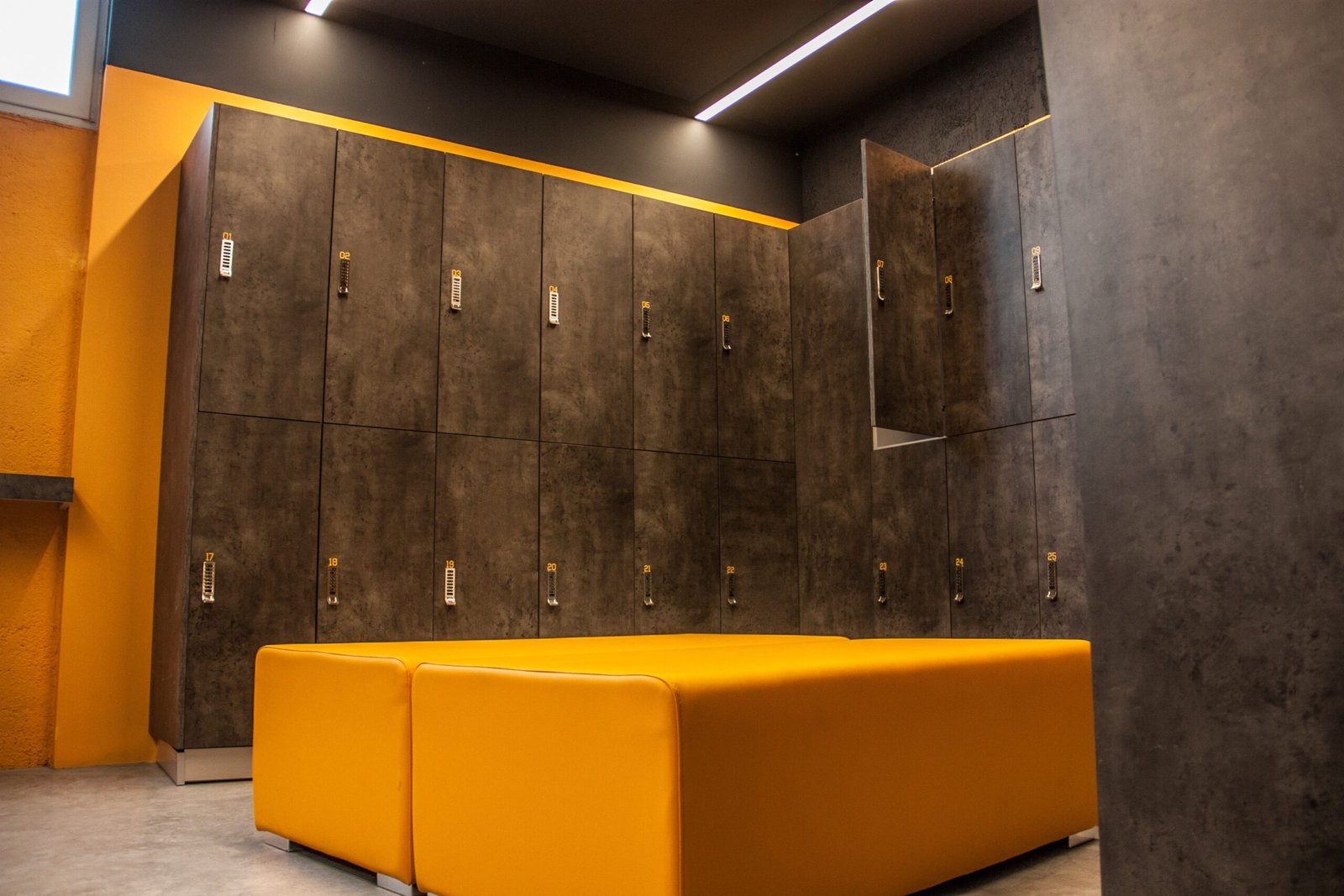
What works: warm light (2700K–3000K), well-diffused, with no harsh shadows. Perimeter or mirror lighting that illuminates the face without the unflattering shadows created by overhead downlights. When someone leaves feeling good in front of the mirror, they associate that positive feeling with the whole space.
In showers, luminaires with IP65 or higher (sealed against moisture and water) are mandatory.
-
Reception and Welcome Area
The first impression. Here, lighting has a more decorative function.
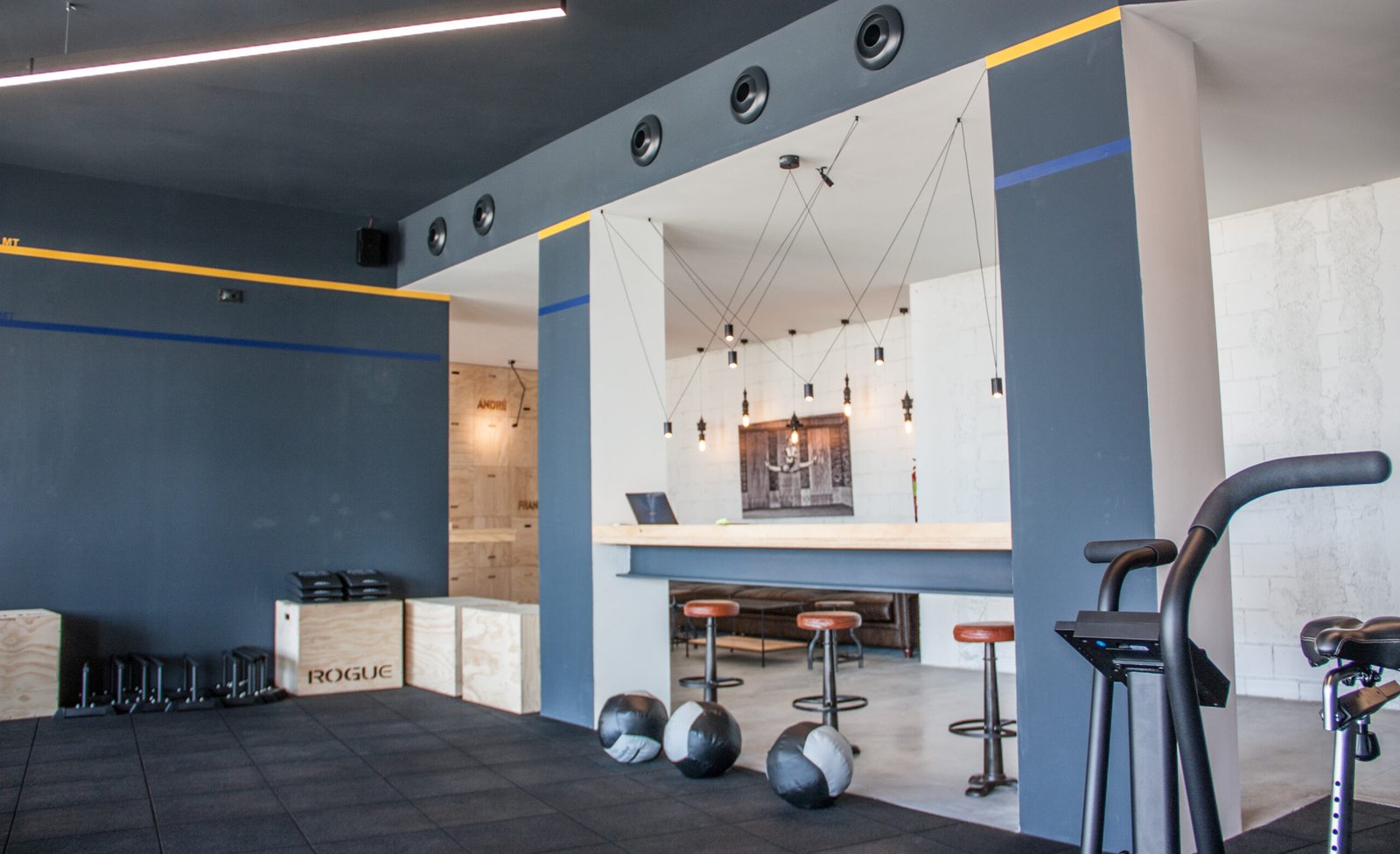
What works: contrast between lit and dimmer zones to create visual depth. Illumination of the logo or brand identity with adjustable spotlights. A warmer color temperature than the rest of the space (3000K–3500K) to generate a sense of welcome.
Color Temperature
Color temperature is a crucial concept in gym lighting design.
- 2700K–3000K: Warm, yellowish light. Evokes calm, home, relaxation. Ideal for changing rooms and recovery areas.
- 3500K–4000K: Neutral light. Balanced and versatile. Good for receptions and mixed-use zones.
- 4000K–5000K: Neutral-cool to cool light. Active, energizing, makes spaces feel cleaner and larger. Ideal for intense training zones.
- 5000K–6500K: Very cool light, close to daylight. Can feel harsh if used without restraint, but in the right doses it boosts physical performance and alertness.
5 Benefits of Well-Designed Gym Lighting
- Improves athletic performance. Studies in environmental psychology show that high-intensity, cool-temperature lighting activates the sympathetic nervous system, increasing heart rate and readiness for physical effort.
- Reduces injuries. Uniform lighting without shadowed areas allows users to clearly see their posture, surroundings, and equipment.
- Increases dwell time. A user who is visually comfortable stays longer, uses more services, and has a better overall experience.
- Enhances perceived quality. The human brain directly associates lighting quality with the general quality of an establishment. A well-lit space is perceived as more premium, cleaner, and more professional.
- Reduces energy consumption. Current LED technology, combined with smart control systems like CASAMBI, can reduce lighting energy consumption by up to 70% compared to fluorescent or halogen systems.
Common Mistakes and Pitfalls
- Using a single type of luminaire throughout the entire space The most common mistake. Placing uniform ceiling downlights across the whole floor plan works technically, but there’s no hierarchy, no experience, no personality.
- Ignoring glare Poorly aimed luminaires or incorrect beam angles create direct glare that tires the eyes and can be dangerous in precision-based activities. The UGR (Unified Glare Rating) index should be below 19 in zones of intense physical activity.
- Overlooking flicker Luminaires with high flicker frequencies — invisible to the naked eye — cause eye fatigue, headaches, and in extreme cases can trigger seizures in photosensitive individuals. In sports environments with a lot of movement, flicker can create the unpleasant “stroboscopic effect.” Always choose luminaires with certified flicker-free ratings.
- Not installing smart control systems A gym that cannot adjust its lighting based on time of day, type of activity, or occupancy loses both energy efficiency and operational flexibility. DALI or KNX systems allow for programmed scenes, automatic dimming, and zone-by-zone control — with an initial investment that pays for itself quickly.
- Worldlight Estudio: Gym Projects
Worldlight Guarantee
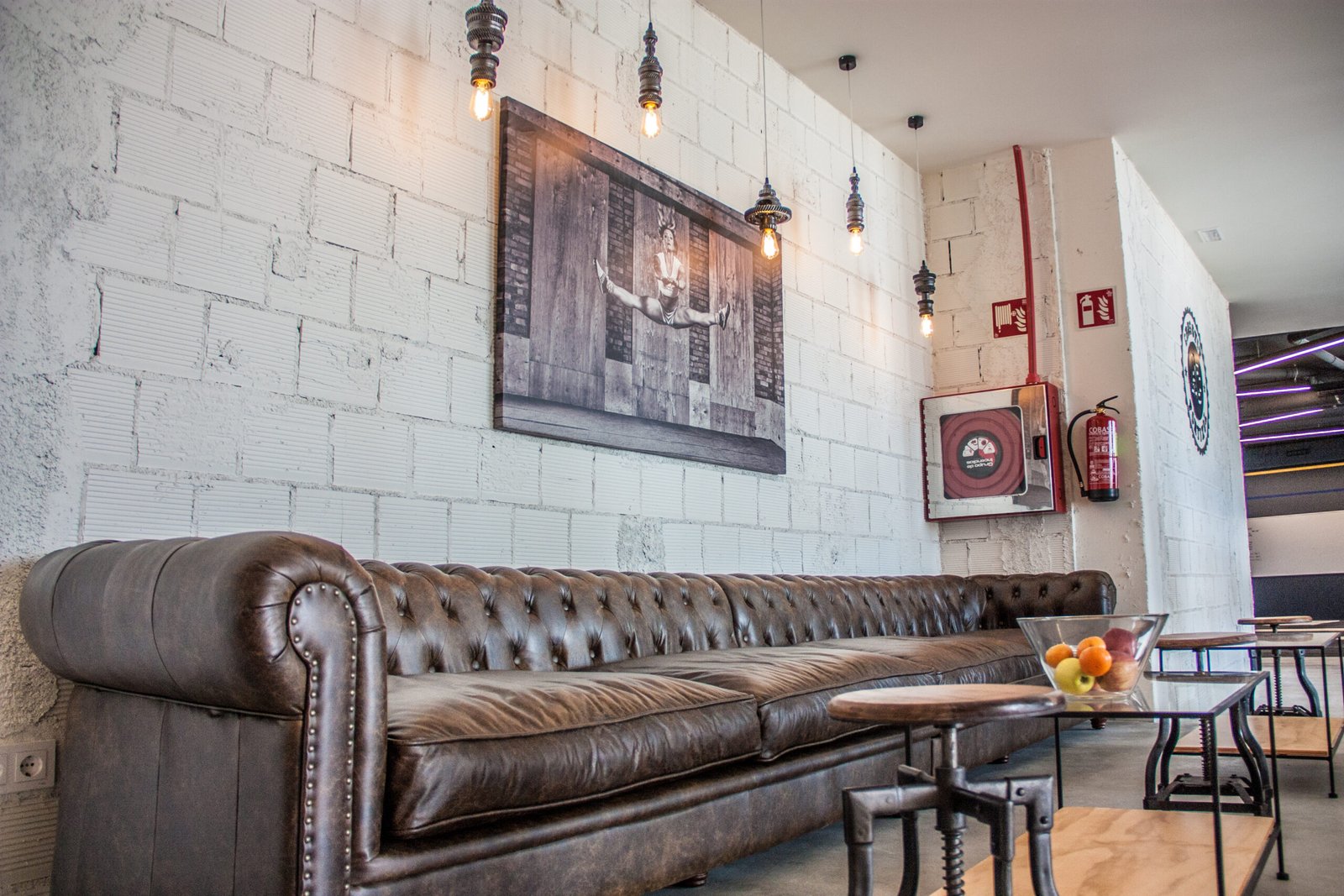
At Worldlight Estudio, we don’t sell luminaires. We design lighting experiences. A recent example is Bellahora, a gym in Inca that conveys comfort and a welcoming atmosphere.
Gym lighting is an investment, not an expense. And like any well-planned investment, it delivers returns — in client retention, in quality of experience, in reduced energy consumption, and in the positioning of your brand.
If you’re planning the lighting for a new sports facility, renovating an existing one, or simply want to assess whether your current lighting is up to standard, the team at Worldlight Estudio is here to help.